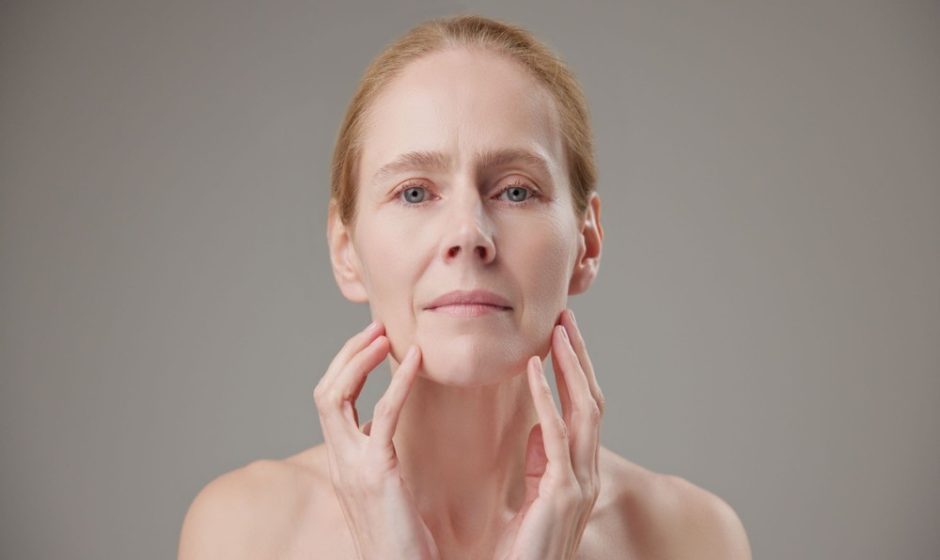

Every few months, a new skincare ingredient gets crowned as the next miracle. Most of them fade into obscurity within a year or two as the clinical evidence fails to match the marketing claims. Retinol has been around for over 50 years and is still considered the gold standard for anti-aging skincare by virtually every dermatologist on the planet. That kind of longevity is not an accident.
## What Retinol Actually Does
Retinol is a derivative of vitamin A. When applied to the skin, it converts into retinoic acid, the active form that interacts with skin cell receptors. That interaction accelerates cell turnover, stimulates collagen production, reduces hyperpigmentation by regulating melanin distribution, and normalizes oil production.
In plain terms, it makes the skin shed old, damaged cells faster and replace them with newer, healthier ones. The collagen stimulation firms the skin from beneath. The pigment regulation evens out tone. The cumulative effect over months of consistent use is visibly smoother, firmer, more even skin.
## The Adjustment Period Is Real
Almost everyone who starts retinol experiences an initial adjustment phase. Dryness, flaking, redness, and mild irritation are common during the first two to six weeks. This is not the product damaging the skin. It is the skin adapting to an accelerated turnover rate. The adjustment passes for the vast majority of users, and the skin that emerges on the other side is meaningfully improved.
Starting with a low concentration (0.25 percent) two to three nights per week and gradually increasing frequency is the standard recommendation. Jumping straight to a high-concentration daily application is the fastest way to irritate the skin badly enough to abandon the product entirely.
## Prescription vs. Over the Counter
Over-the-counter retinol must be converted into retinoic acid by the skin before it becomes active. Prescription tretinoin is already in its active form. Tretinoin is more potent, produces faster results, and also produces more significant irritation during the adjustment phase.
For most people, over-the-counter retinol at an appropriate concentration is sufficient to produce meaningful anti-aging results. Prescription strength is available for those who want more aggressive treatment and can tolerate the increased irritation.
## The Non-Negotiable Rule
Retinol increases photosensitivity. Using it without daily sunscreen is counterproductive. The accelerated cell turnover exposes newer, more vulnerable skin cells to UV damage. Without sun protection, the retinol is essentially creating fresh skin and then allowing it to be immediately damaged. Sunscreen is not optional during retinol use. It is the other half of the equation.
Retinol requires patience. The results take weeks to appear and months to mature. But the evidence behind it is not debatable. It works. It has always worked. And no trending ingredient has come close to replacing it.