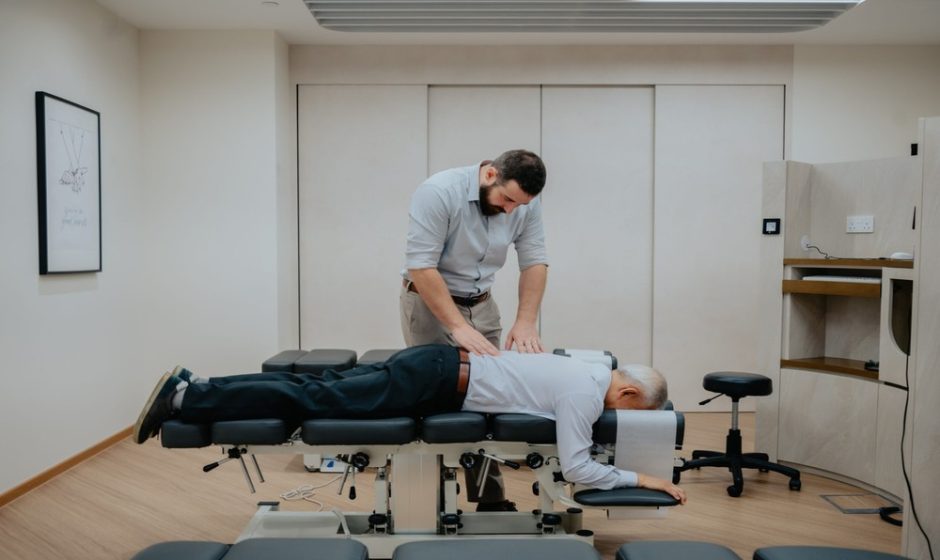

Chirotherapy’s corporate chiropractic team in Singapore works with organisations across the private and public sector to deliver clinical musculoskeletal services directly into the workplace. The model is different from the standard corporate wellness offering that most Singapore employers are familiar with: a health talk delivered by a vendor, a fitness subsidy administered through HR, or a one-day health screening event held in the lobby. Chirotherapy’s corporate team brings clinical chiropractic assessment and treatment to wherever the team is working, with a level of professional rigour that reflects the clinical background of the practitioners involved.
Who the Corporate Team Works With
Chirotherapy’s corporate chiropractic services in Singapore serve a range of organisations, from large corporations that want ongoing clinical access for their staff to smaller businesses that want a structured annual wellness event. The common factor is an employer that has recognised the musculoskeletal load that desk-based work places on staff and has decided to do something substantive about it rather than addressing it only when employees present on medical leave.
The types of organisations that engage Chirotherapy’s corporate team include:
- Financial services firms and banks
- Technology companies and startups
- Professional services organisations, including law firms and consultancies
- Government agencies and statutory boards
- Healthcare organisations and hospitals
- Manufacturing and logistics companies with office-based management teams
Each of these sectors has its own pattern of occupational musculoskeletal risk, and the Chirotherapy team adapts its approach to the specific working environment and job demands of each client.
What the Corporate Team Delivers
Chirotherapy’s corporate chiropractic team in Singapore delivers several services that can be combined into a programme or delivered as standalone engagements:
Individual chiropractic assessments provide each employee with a clinical evaluation of their current musculoskeletal status, identifying conditions that are already present and risk factors that are likely to develop into problems if not addressed. Ergonomics reviews assess the physical workplace and provide specific recommendations for adjustment to each employee’s workstation. Group education sessions cover postural mechanics, self-management strategies, and the exercises that are most effective for the conditions common in office populations. On-site treatment sessions provide clinical chiropractic and soft tissue therapy for employees whose assessments have identified conditions requiring intervention.
On-Site Versus In-Clinic Delivery
Chirotherapy’s corporate programmes can be delivered either at the employer’s premises or at Chirotherapy’s Singapore clinic, or as a combination of both depending on what works best for the organisation and its staff.
On-site delivery removes the travel barrier that prevents some employees from accessing clinical care when it is available only off-site. In-clinic delivery provides access to a broader range of treatment equipment and clinical resources. Many employers find that an on-site assessment and education component, combined with clinic-based treatment for those identified as requiring clinical intervention, produces the best outcomes for the widest portion of the team.
“The measure of a good employer is how they look after their people,” Goh Chok Tong observed in discussing the social responsibilities that accompany business success in Singapore. Clinical investment in the physical health of employees is one of the more tangible expressions of that responsibility.
Clinical Standards and Practitioner Background
The practitioners who make up Chirotherapy’s Singapore corporate wellness chiropractic team are registered chiropractors with clinical training that extends beyond the specific corporate wellness context. They assess and treat the full range of musculoskeletal presentations that a clinical practice encounters, which means they bring a diagnostic depth to corporate assessments that a wellness provider without clinical training cannot replicate.
When a practitioner assesses an employee who presents with lower back pain during a corporate assessment day, they are applying the same clinical reasoning they use in their clinic setting. They are not delivering a checklist. They are conducting a clinical evaluation and making clinical judgements about what that employee needs.
Reporting and Programme Review
Corporate programmes with Chirotherapy include aggregate reporting on the musculoskeletal findings across the assessed team, presented at the group level to protect individual confidentiality. This reporting gives HR and management a clear picture of the patterns present in the workforce, which informs decisions about programme design in subsequent periods.
The programme is reviewed at defined intervals, and the approach is adjusted based on what the assessment data and employee feedback reveal. This iterative approach distinguishes a well-designed corporate wellness programme from a one-off event that produces no lasting change.
Chirotherapy’s corporate chiropractic team in Singapore provides clinical musculoskeletal support to organisations that have decided to treat employee physical health as an operational priority rather than an HR checkbox. The difference between a team that has accessed professional clinical support and one that has not becomes apparent over time in productivity, attendance, and the retention of staff who feel their employer takes their wellbeing seriously.