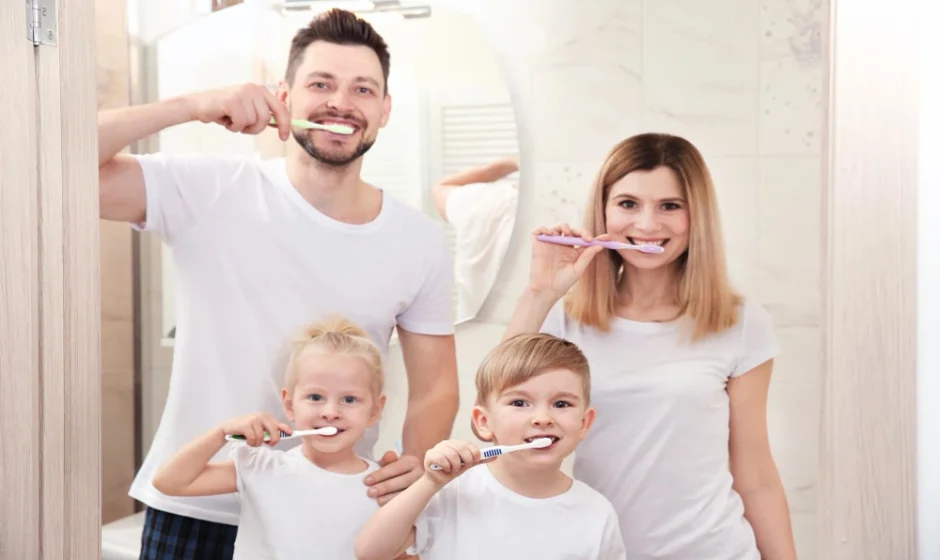

You book the cleaning, buy the new toothbrushes, promise yourself this is the year everyone stays on schedule, and then life starts pulling at every corner. School forms pile up, sports practice runs late, somebody forgets to floss for a week, and a small dental issue turns into a bigger one because no one had time to catch it early. If that sounds familiar, you are not failing. Family routines are hard to hold together, and dental care is often one of the first things to slide when the calendar gets crowded, which is why having a trusted dentist in Jackson Heights, Queens, NY can make it easier to stay on track.
The core problem is simple. Dental goals usually break down because prevention gets treated like an extra instead of part of the family routine. The good news is that steady habits, early protection, smart food choices, and regular visits to a family dentist can keep small issues from becoming stressful and expensive ones. 4 preventive strategies that keep families on track with dental goals start with what happens every day at home and stay strong when backed by professional care.
Daily oral care habits shape family dental health
Most families do not struggle because they do not care. They struggle because brushing and flossing can feel repetitive, and kids rarely see the payoff right away. A child with no pain assumes everything is fine. A parent with a packed morning cuts corners just once, then a few missed routines become the norm.
That is where prevention works best. Brushing twice a day with fluoride toothpaste and flossing once a day lowers the chance of plaque buildup, cavities, and gum irritation before those problems need treatment. The CDC’s oral health tips for children break this down in a way that helps parents match routines to a child’s age and stage.
A good home routine does not need to be perfect. It needs to be repeatable. Keep toothbrushes where children can reach them. Use a timer or a two minute song. Help younger children brush longer than they think they need help. If your child says they already brushed, but the sink is dry and the toothpaste cap is still on, you already know how that story ends.
This is one of the simplest preventive dental care for families habits because it turns dental health into a normal part of the day instead of a last minute fix after a problem starts.
Dental sealants protect teeth that are hardest to clean
Even in homes with solid brushing habits, molars are a trouble spot. Their grooves trap food and bacteria, and kids often miss those areas when they brush. That is why sealants matter. They create a protective coating over the chewing surfaces of back teeth, which helps block decay before it starts.
For many parents, this is where frustration shows up. You can do so much right at home and still end up dealing with cavities in the exact places your child cannot clean well yet. Sealants help close that gap. According to the CDC’s information about dental sealants, school age children without sealants have more cavities than those who get them.
That matters financially as much as medically. Preventive treatments usually cost less than fillings, crowns, or emergency visits. They also spare your child the stress of needing treatment for something that may have been avoidable. When families want to stay consistent with oral health goals, this kind of early protection can make the whole plan easier to maintain.
Food and drink choices affect dental goals more than most families expect
Many parents already watch sugar, but timing matters almost as much as amount. A sweet snack eaten quickly with a meal is different from constant sipping and grazing all afternoon. Teeth get hit over and over when juice, sports drinks, soda, sticky snacks, or crackers show up throughout the day. Saliva needs time to do its job, and frequent snacking cuts that recovery short.
This is where good intentions often get worn down by real life. You are in the car, practice ran long, dinner is late, and the easiest option is whatever comes in a package. That does not make you careless. It means your family needs defaults that work on busy days. Water, cheese, yogurt, crunchy vegetables, and fruit are easier on teeth than sticky or sugary snacks. The MedlinePlus guide to child dental health offers a helpful overview of how diet and daily care work together.
family dental care is often won or lost in these small moments. The snack bag tossed into a backpack, the bedtime drink, the habit of rinsing with water after sweets, these choices build either protection or risk over time.
Regular family dentist visits keep minor problems from turning expensive
Home care does a lot, but it cannot spot everything. Early decay, bite changes, enamel wear, and gum irritation are easy to miss until they become painful. Regular checkups give your family a chance to catch problems when they are still small and easier to treat.
This is where many families get stuck in a cycle. Someone skips one visit because the month is packed. Then another gets delayed because no one wants to juggle schedules twice. By the time the office visit happens, a child who seemed fine needs more than a cleaning. Prevention fell behind, and now the whole process feels heavier.
A family dentist helps by tracking patterns across time, not just reacting to one appointment. That continuity makes it easier to plan cleanings, monitor growth, and adjust care for each age in the home.
Preventive dental strategies lower stress, cost, and treatment time
| Preventive step | What it helps prevent | Benefit for families |
|---|---|---|
| Twice daily brushing with fluoride toothpaste | Plaque buildup, cavities, early gum irritation | Supports a stable daily routine and lowers risk between visits |
| Daily flossing | Decay between teeth, gum inflammation | Targets places brushing often misses |
| Dental sealants for molars | Cavities in deep grooves of back teeth | Adds protection where children often struggle to clean well |
| Routine dental checkups | Delayed diagnosis of decay, bite issues, enamel wear | Catches small concerns before they become costly or urgent |
Small actions keep dental goals realistic for busy families
Build one non negotiable routine. Pick two anchor points your family already follows, usually after breakfast and before bed. Attach brushing to those moments every day. Do not rely on memory alone. Visible routines beat good intentions.
Ask about protective care early. If your child’s molars are in, ask the dental office whether sealants make sense. If one child struggles with grooves in the back teeth or repeated cavities, prevention may need to be more targeted, not more strict.
Make the easy choice the safer choice. Keep water available, limit frequent sugary drinks, and stock snacks that do not cling to teeth. If treats are part of the day, offer them with meals instead of stretching them across hours.
Families do not stay on track with dental goals by being perfect. They stay on track by making prevention easier than repair. A few steady habits, the right support from a family dentist, and early attention to risk can save time, money, and a lot of avoidable stress down the road.
If your household has fallen behind, you can still reset without guilt. Start with the next brushing, the next snack choice, the next appointment, and build from there.