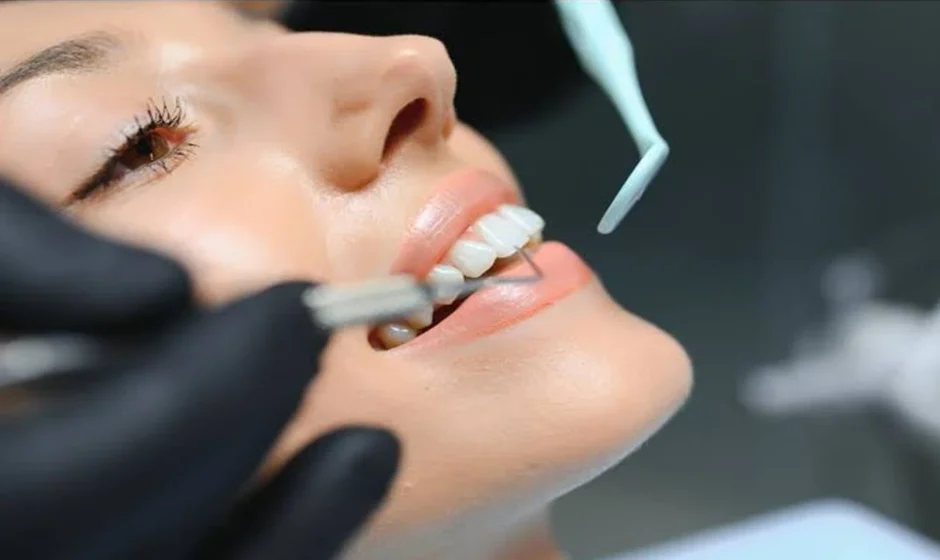

You might already know how this goes. One busy week turns into two, a cleaning gets pushed back, a child says their tooth feels “funny,” and suddenly oral care feels less like a simple routine and more like one more thing waiting for your attention. That stress is real, especially when you are trying to look after more than one person at home. The good news is that steady habits and regular visits with a general dentist office in Tustin can ease a lot of that pressure before it grows into pain, cost, or worry. In plain terms, consistent preventive care helps protect teeth, gums, budgets, and peace of mind.
For many households, the hard part is not knowing that brushing and checkups matter. The hard part is staying on track when life gets full. School schedules change, work runs late, and a small delay can feel harmless. But when preventive care becomes occasional instead of routine, small issues often have time to become bigger ones. A little plaque can turn into decay. Mild gum irritation can become bleeding or tenderness. A problem that might have been handled with a simple cleaning or early filling can become a more involved repair.
Why does regular preventive dental care matter so much at home?
Preventive care works best because it is quiet. It often stops trouble before you can see it. Daily brushing with fluoride toothpaste, flossing, smart food choices, and regular dental visits all work together to lower the chance of cavities and gum disease. If you want a clear starting point, the CDC’s oral health tips for adults outline habits that support healthy teeth over time.
That matters for every age in your home. Children need support building habits that feel normal, not forced. Teens often need reminders that skipped brushing and sugary drinks catch up fast. Adults may ignore sensitivity or bleeding gums because they are focused on everyone else. Older family members may face dry mouth, gum recession, or dental work that needs close follow up. So, where does that leave you? It means consistent preventive care is not just a personal health choice. It is a household system that helps everyone stay a little steadier.
There is also the money side, and many families feel that tension right away. Preventive visits usually cost less than restorative treatment. More than that, they can reduce surprise expenses. If a dentist spots enamel wear, early decay, or signs of gum trouble during a routine exam, you have more options and often lower costs. When care is delayed until pain shows up, treatment is often more urgent and more expensive.
What can happen when routine dental checkups slip?
It helps to picture real life. Imagine a parent who keeps meaning to schedule a cleaning but waits because nothing hurts. Months later, cold drinks start causing pain. Or think of a child whose back molar has a tiny cavity that goes unnoticed until it affects sleep. These are common stories, and they are frustrating because they often begin with something preventable.
Healthy habits at home still matter, of course, but home care and professional care do different jobs. Brushing removes daily buildup. Flossing cleans between teeth. A dental visit can catch what you cannot easily see, including early gum inflammation, weak spots in enamel, bite issues, and tartar that brushing cannot remove. The National Institute of Dental and Craniofacial Research oral hygiene guidance explains how these basics support long term oral health.
If you have ever wondered whether this effort really adds up, it does. Public health goals continue to focus on reducing tooth decay, gum disease, and tooth loss because these problems affect eating, speaking, confidence, and overall health. You can see that broader picture in the Healthy People oral conditions objectives. In day to day life, that big goal looks simple. Fewer emergencies. Less discomfort. More normal mornings.
How does preventive dentistry compare with waiting for problems to show up?
Sometimes the easiest way to think about this is side by side. When families compare routine care with reactive care, the difference becomes easier to see.
| Approach | What It Usually Includes | Likely Impact on Comfort | Likely Impact on Cost |
|---|---|---|---|
| Consistent prevention | Brushing twice daily, flossing, routine exams, cleanings, early follow up | Fewer surprises, less pain, better day to day comfort | More predictable and often lower over time |
| Wait until something hurts | Irregular home care, delayed visits, treatment only after symptoms appear | Higher chance of pain, swelling, sensitivity, disrupted sleep or meals | Less predictable and often higher if treatment becomes involved |
This is why many families start to view a household smile health routine as part of basic home maintenance, much like keeping up with checkups for the rest of the body. It is not about perfection. It is about rhythm. A general dentist can help you keep that rhythm going with age appropriate care, monitoring, and guidance that fits real life.
What are three practical steps you can take right now?
1. Put dental care on the family calendar. Treat cleanings and exams like school events or work meetings. If it is on the calendar, it is less likely to disappear. Try pairing appointments for family members when possible so the routine feels easier to manage.
2. Make home care simple enough to repeat. Keep fluoride toothpaste, soft toothbrushes, and floss where they are easy to reach. For younger children, use short cues and visual reminders. For teens and adults, link brushing and flossing to fixed parts of the day, like getting dressed or charging a phone at night.
3. Do not wait for pain to be your signal. Bleeding gums, bad breath that lingers, tooth sensitivity, or a child avoiding one side of the mouth can all be early signs that deserve attention. Acting early supports preventive dental care and often helps avoid more involved treatment later.
What does all this mean for your family’s next step?
If your household has fallen out of routine, you are not alone, and you do not need to fix everything at once. Start with the next brushing, the next floss, the next appointment. Consistency is what builds stronger smiles, not a perfect week. Over time, those small choices can protect comfort, confidence, and your budget in a very real way.
When you are ready, schedule a visit with a general dentist and get your family back into a steady rhythm of care.