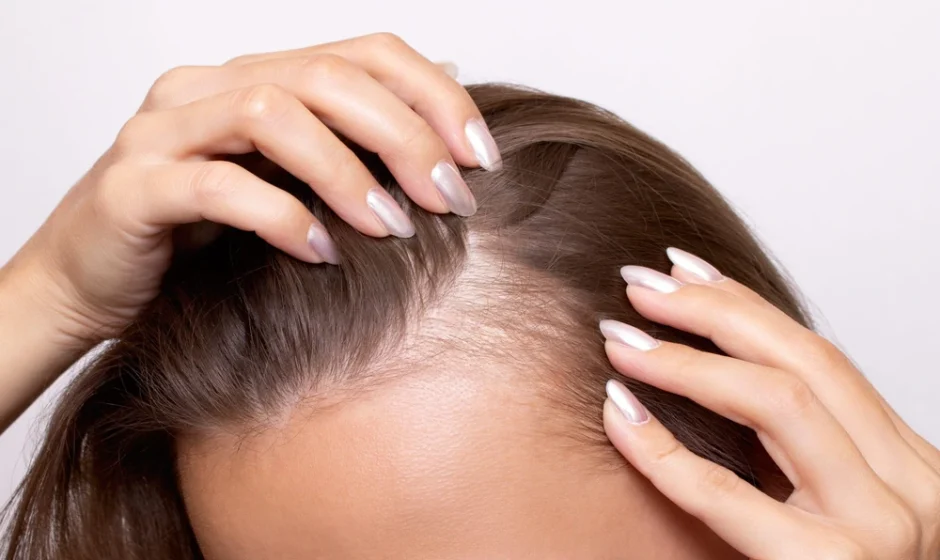

Hair condition often reflects what happens beneath each strand. Follicles need a clean, balanced surface around them. Oil, flakes, and styling residue can collect near openings. A scalp cleansing treatment helps clear that buildup without rough handling. Once the surface stays cleaner, routine care becomes easier. The right approach also considers moisture, skin comfort, and daily habits.
Clean Surroundings Help Follicles Function
Follicles sit beneath the scalp surface and need suitable surroundings. Heavy residue can gather around their openings during regular styling. Gentle washing removes unwanted material without unnecessary rubbing. This matters because rough handling may leave sensitive skin feeling uncomfortable. A clean surface also makes later conditioning steps easier.
Scalp Balance Supports Healthy Hair Formation
Oil production naturally varies across different people. Dry skin can create visible flakes and tightness. Excess oil may leave strands feeling heavy near roots. Balanced cleansing helps manage both concerns without removing too much moisture. That balance supports a healthier setting for normal follicle activity.
Gentle Care Makes Cleansing More Useful
Strong scrubbing can feel productive, yet it adds friction. Softer movements can loosen residue while protecting delicate skin. A scalp cleansing treatment works best alongside suitable washing habits. Water temperature also matters during routine care. Lukewarm water can reduce unnecessary dryness after cleansing.
- Massage lightly using controlled fingertip movements.
- Rinse away remaining cleanser with care.
- Avoid scratching areas that feel sensitive.
- Keep brushes free from old styling residue.
- Allow the scalp to dry naturally.
Daily Habits Influence Scalp Condition
Treatment alone cannot manage every factor affecting follicle surroundings. Hair products may leave deposits after repeated use. Unwashed tools can transfer oil back onto clean strands. Frequent touching may also move residue across the surface. Small routine changes can therefore support cleaner conditions between treatments.
Useful habits include:
- Wash brushes regularly after frequent use.
- Choose products suited to scalp needs.
- Reduce repeated touching throughout each day.
- Avoid pulling strands during routine grooming.
Internal Support Also Matters For Follicles
External care addresses the scalp surface, while nutrition supports hair formation. Protein contributes building material for new strands. Iron and other nutrients also support normal body functions. Hydration helps maintain healthy skin condition. Persistent shedding can have different causes, however, so professional advice may be useful.
Consistent Scalp Care Changes Routine Quality
Healthy scalp maintenance works through repeated small actions. Clean follicles provide a suitable base for ordinary hair care. Gentle washing prevents unnecessary friction during regular cleansing. Balanced moisture keeps the surface more comfortable afterward. Over time, these habits can make grooming simpler and more consistent. The key shift is treating scalp care as part of hair care, rather than an occasional extra.
FAQs
Can scalp treatments support stronger hair?
Healthy scalp conditions can support normal follicle function and provide suitable surroundings for emerging strands.
Does buildup affect follicle surroundings?
Excess residue can collect near openings, making regular cleansing useful for maintaining a cleaner surface.
Is vigorous scrubbing better for scalp cleansing?
No, gentle fingertip movements can loosen residue while reducing unnecessary friction against sensitive skin.
When should shedding receive professional attention?
Persistent or unusual shedding deserves professional assessment because several different factors can influence hair changes.